
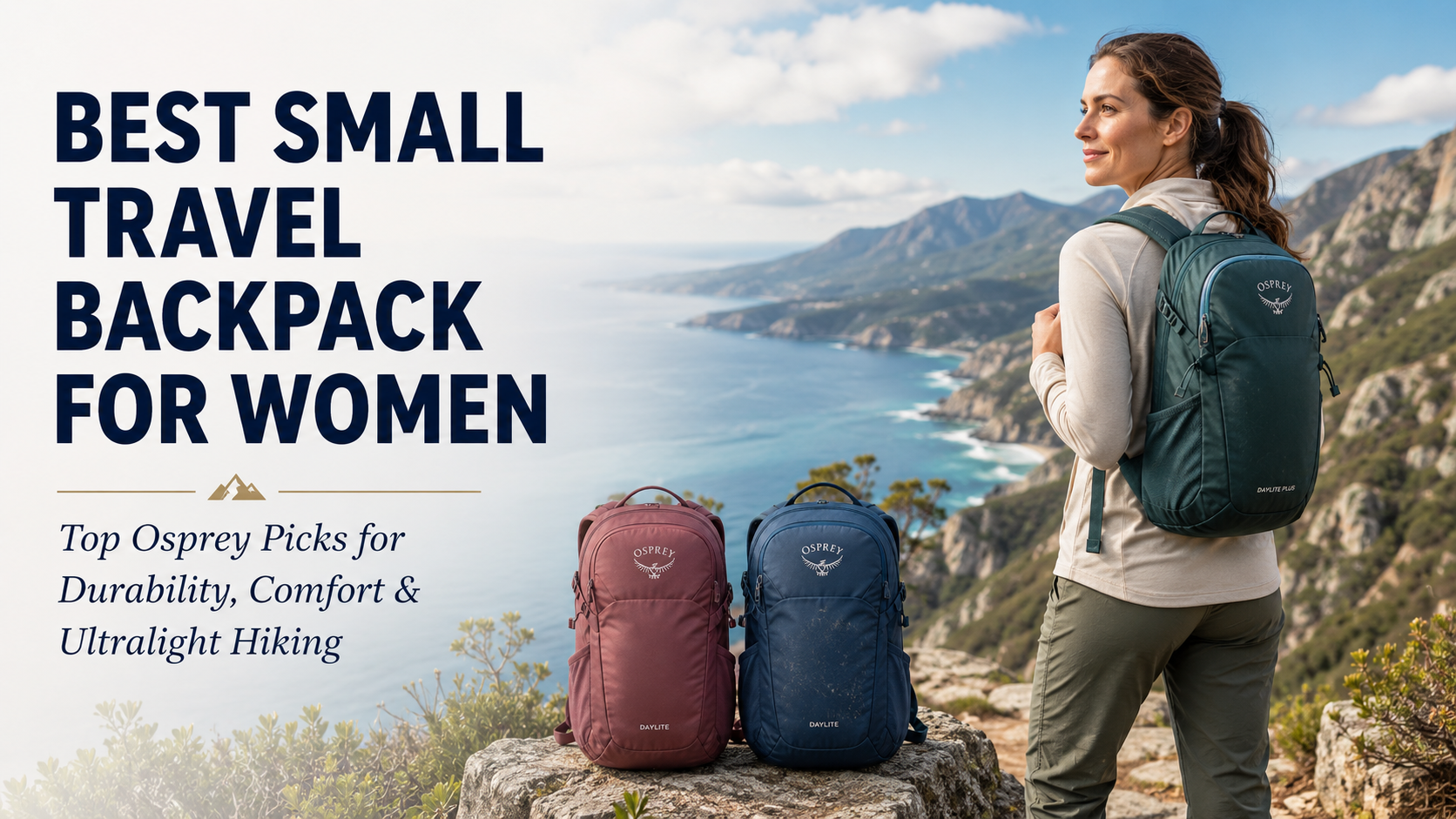
Best Small Travel Backpack for Women (Osprey Picks Reviewed)
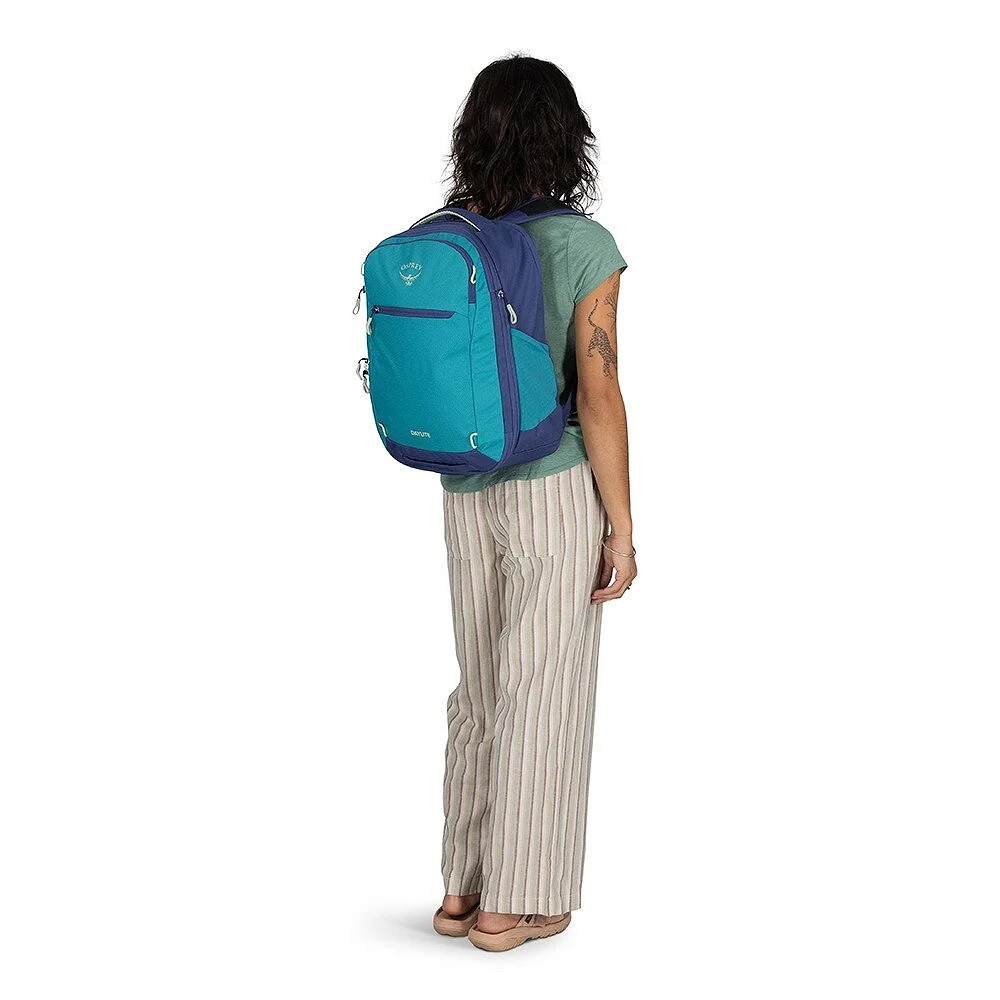
🎒 Need a quick answer?
For most women, the Osprey Daylite 26+6 is the best choice for short trips and personal-item travel.
Table of Contents
A small backpack can make travel easier—or become an expensive source of shoulder pain, poor organization and packing frustration.
The right pack should feel comfortable, carry everything you genuinely need, and remain compact enough for airplanes, trains, college campuses and day hikes.
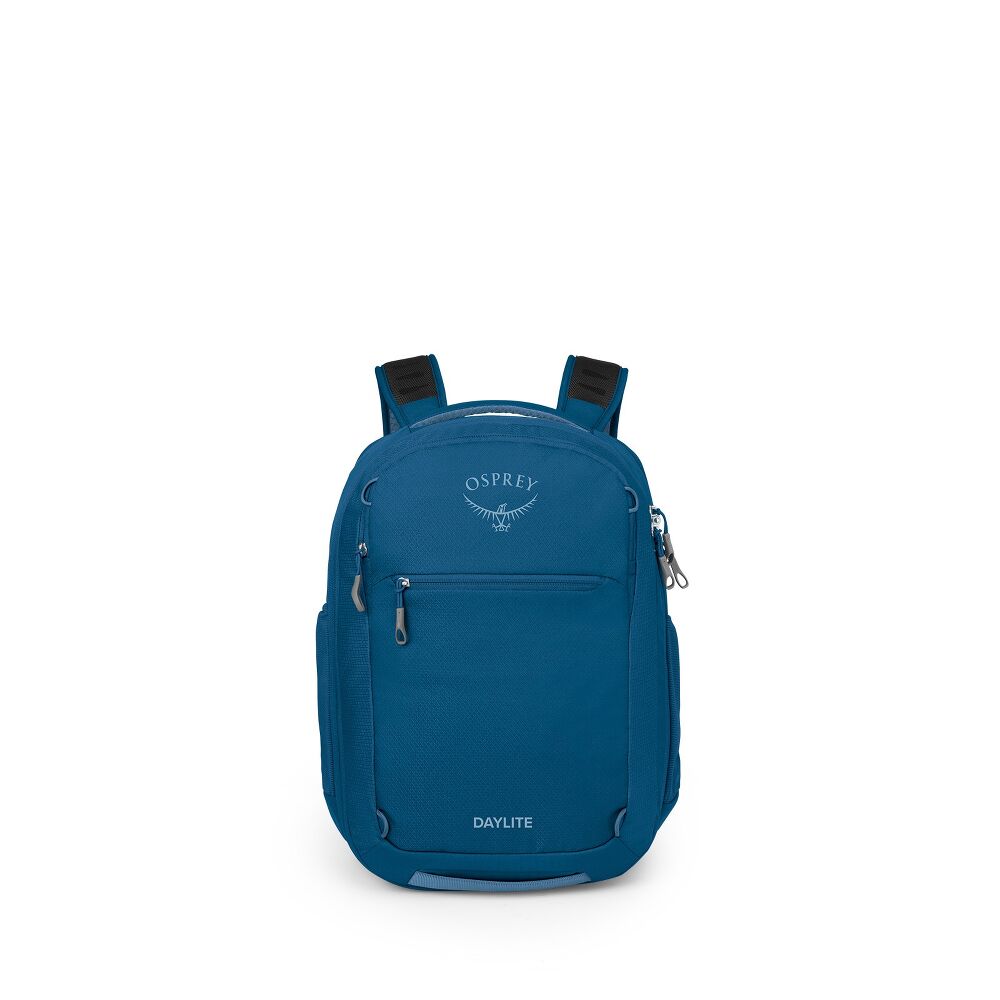
Not sure whether it has enough room for your trip?
Read our complete Osprey Daylite 26+6 review for packing capacity, comfort, airline fit and potential drawbacks.
Choosing the right backpack is not as simple as comparing capacity numbers.
A supportive 22-liter hiking pack may carry heavier gear more comfortably than a box-shaped 26-liter travel bag.
A backpack that fits one woman perfectly may sit too low or pull against the shoulders of someone with a shorter torso.
That is why features such as an adjustable harness, padded hip belt, and hydration sleeve can matter more than a few additional liters of space.
For most travelers, the best small travel backpack for women is the Osprey Daylite Expandable Travel Pack 26+6.
It combines compact airline-friendly dimensions, clamshell packing, and expandable capacity.
Women who prioritize hiking comfort should consider the women’s-specific Osprey Tempest 22 or Osprey Sirrus 24.
Quick recommendation: Choose the Osprey Daylite 26+6 for flights and short trips, the Tempest 22 for lightweight hiking or the Sirrus 24 when ventilation and load support matter most.
Why Osprey Dominates the Small Travel Backpack Market for Women
Osprey has developed a strong reputation among travelers and hikers because it treats fit as part of the backpack’s performance.
The company’s women’s-fit packs commonly use a shorter torso range, narrower shoulder width, and an ergonomically shaped harness.
Many also include a hip belt designed to fit more naturally around a woman’s body.
These differences can help the backpack sit closer to the back and transfer more weight away from the shoulders.
Osprey also offers several suspension systems for different activities.
AirScape
AirScape uses a close-fitting back panel designed to balance structure, ventilation, and stability.
It works well for travel and active use because it keeps the backpack close to your body.
AirSpeed
AirSpeed uses suspended mesh to create space between the backpack and your back.
This design improves airflow and can be especially useful during warm-weather hikes.
BioStretch
BioStretch uses a flexible harness and hip belt designed to move with you.
It is particularly helpful for hiking, cycling, and other activities where stability and freedom of movement matter.
There is no single suspension system that is best for every traveler.
Someone walking through airports may prefer a flatter back panel that slides beneath an airline seat.
A hiker in warm conditions may prioritize airflow, while someone carrying heavier gear may need a stronger hip belt and adjustable torso.
Osprey’s range also covers several different versions of “small.”
You can choose a streamlined 20-liter technical pack, a supportive 24-liter hiking pack, or a 26-liter travel backpack that expands to 32 liters.
This makes it easier to choose a backpack for your actual activity instead of forcing one bag to do everything poorly.
Still learning the differences between Osprey’s travel, hiking, and everyday collections? Our complete Osprey packs review breaks down the lineup by trip type and traveler.
Key Features to Look for in a Women’s Small Travel Backpack
Fit and Torso Length
Backpack capacity tells you how much the bag holds. Torso length tells you whether it will carry that weight comfortably.
Your torso measurement runs from the prominent vertebra at the base of your neck to the top of your hip bones.
Height alone does not determine torso length.
Two women of the same height may need different backpack sizes or harness adjustments.
When trying on a backpack, check that the hip belt rests over the top of your hip bones.
The shoulder straps should wrap smoothly around your shoulders without large gaps.
The backpack should not pull backward when it is loaded.
The sternum strap should sit comfortably across your upper chest.
Most importantly, the load should feel supported by your hips instead of hanging entirely from your shoulders.
An adjustable harness is particularly valuable if you are between sizes or have a shorter or longer torso than average.
Hip-Belt Support
A lightweight backpack carrying a jacket and water bottle may not require a substantial hip belt.
Once you add a laptop, camera, food, water, or several days of clothing, load transfer becomes much more important.
A padded hip belt stabilizes the backpack and moves some of the weight from your shoulders to your hips.
Technical hiking packs usually provide better load transfer than minimalist travel bags.
However, the extra structure can increase weight and make the backpack less convenient beneath an airline seat.
Backpack Weight
Ultralight does not automatically mean more comfortable.
Removing the frame, padding, and hip-belt structure reduces the empty weight of a backpack.
It can also make heavier loads feel less stable and more uncomfortable.
A slightly heavier backpack with an effective suspension system may feel better after several miles.
Use your expected packed weight as a guide:
- Under 10 pounds: A lightweight travel pack or simple daypack is usually sufficient.
- 10–20 pounds: Look for better shoulder padding, a sternum strap and some hip-belt support.
- More than 20 pounds: Prioritize torso adjustment, a supportive frame and a substantial hip belt.
Zippers, Straps and Long-Term Durability
Travel places unusual stress on backpacks.
Zippers get pulled around overpacked corners, straps become trapped beneath seats, and bags are repeatedly lifted by their grab handles.
Look for smooth zipper paths, reinforced attachment points and durable fabric in high-wear areas.
Avoid using compression straps to force an overfilled backpack several inches smaller.
This creates constant tension on the stitching, straps and zippers.
The best way to extend a backpack’s life is to buy enough capacity for your normal load.
Do not plan to routinely stretch the pack beyond its intended shape.
Hydration Compatibility
Hydration compatibility is essential for many hikers but less important for airport-focused travelers.
A hydration-compatible backpack normally includes an internal or external reservoir sleeve.
It should also provide a hose exit port and a way to route or secure the drinking hose.
Do not assume that every small Osprey travel backpack includes these features.
Packs designed for laptops, personal-item travel, and clamshell packing may offer bottle pockets without a dedicated hydration system.
Top 5 Osprey Small Travel Backpacks for Women
1. Osprey Daylite Expandable Travel Pack 26+6: Best Overall for Air Travel
The Osprey Daylite 26+6 is the most practical option for women who primarily need a compact backpack for airports, weekend trips, and one-bag travel.
It starts at 26 liters and expands by an additional six liters when more space is needed.
Its rectangular design and wide-opening main compartment make it much easier to pack clothing than a traditional top-loading hiking backpack.
Packing cubes can sit flat inside, and the broad opening prevents you from digging through the entire bag to find one item.
The backpack also includes travel-focused features such as a tech sleeve, luggage pass-through and structured AirScape back panel.
Best for: Budget-airline travel, weekend trips, minimalist packing and travelers who want one bag for the airport and destination.
Key advantages:
- Expands from 26 to 32 liters
- Convenient suitcase-style packing
- Dedicated technology storage
- Luggage-handle pass-through
- Compact enough for many under-seat situations
- Lightweight compared with framed hiking packs
Potential drawbacks:
- Not specifically shaped as a women’s pack
- Less supportive than the Tempest or Sirrus with heavy loads
- Airline acceptance is never guaranteed
- Not the strongest option for technical hiking
This is the pack to choose when your biggest priorities are avoiding checked luggage, staying organized, and packing several days of clothing.
🧳 Traveling with personal-item luggage? → Check the latest price on the Osprey Daylite 26+6
Need more space and a women’s-specific harness for longer trips? See our Osprey Fairview 40 review before deciding between a compact personal-item backpack and a full carry-on travel pack.
2. Osprey Tempest 22: Best Women’s Pack for Hiking and Travel
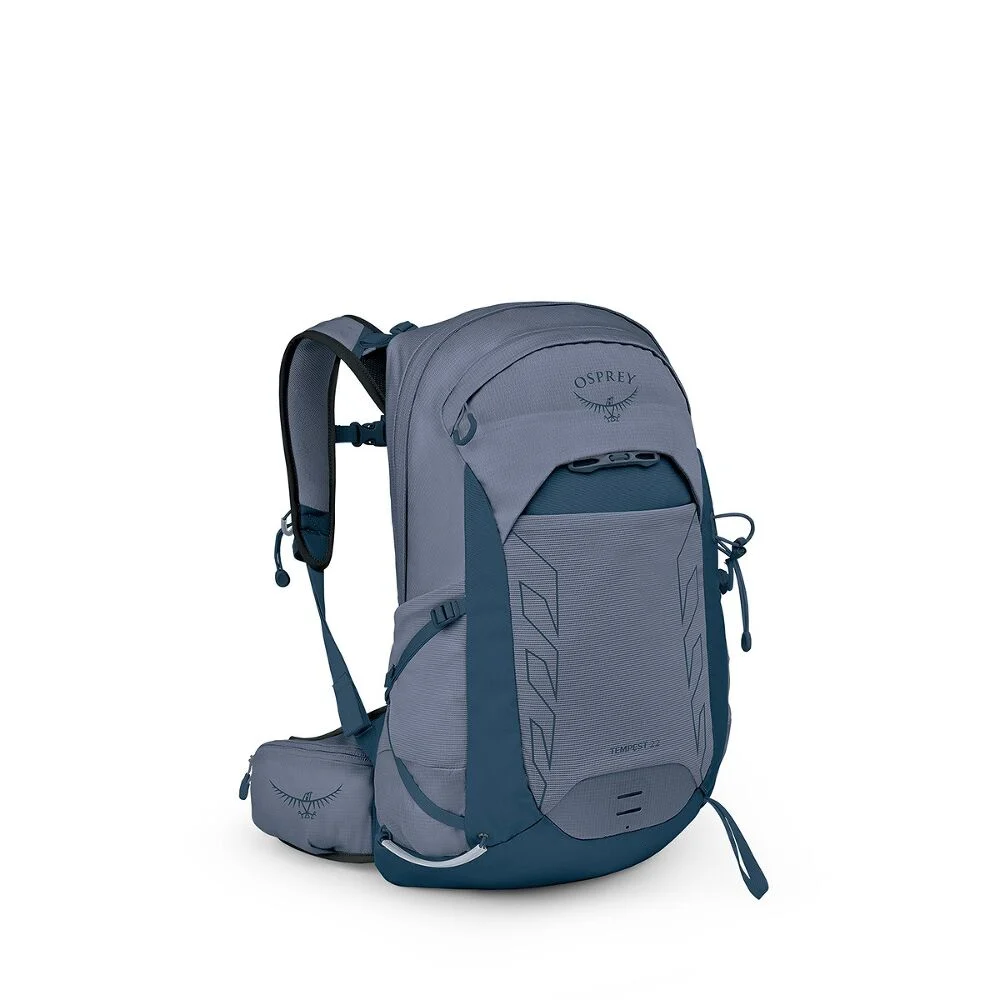
The Osprey Tempest 22 is a technical women’s backpack that works especially well for travelers who spend more time on trails than in airport lounges.
Its BioStretch harness and hip belt provide flexibility without giving up stability.
The adjustable harness also helps women find a more precise torso fit.
At 22 liters, it offers enough room for water, food, rain gear, an extra layer and smaller travel essentials.
The backpack sits close to the body, making it a strong option for active movement and uneven terrain.
Best for: Day hiking, cycling, active vacations and travelers who want a women’s-specific technical fit.
Key advantages:
- Women’s-specific design
- Adjustable torso length
- Supportive, body-hugging hip belt
- Strong stability during movement
- Better load transfer than most small travel bags
- Compatible with hiking hydration setups
Potential drawbacks:
- Less convenient for folded clothing
- Technical straps may catch beneath airline seats
- Limited space for longer trips
- More structured than a minimalist daypack
The Tempest 22 is ideal for a traveler whose itinerary includes trailheads, bikes, hills, and uneven terrain.
It is less ideal for someone whose main goal is packing four days of outfits into a rectangular compartment.
🥾 Planning an active trip? → See available colors and prices for the Osprey Tempest 22
3. Osprey Sirrus 24: Best for Ventilation and Carrying Comfort
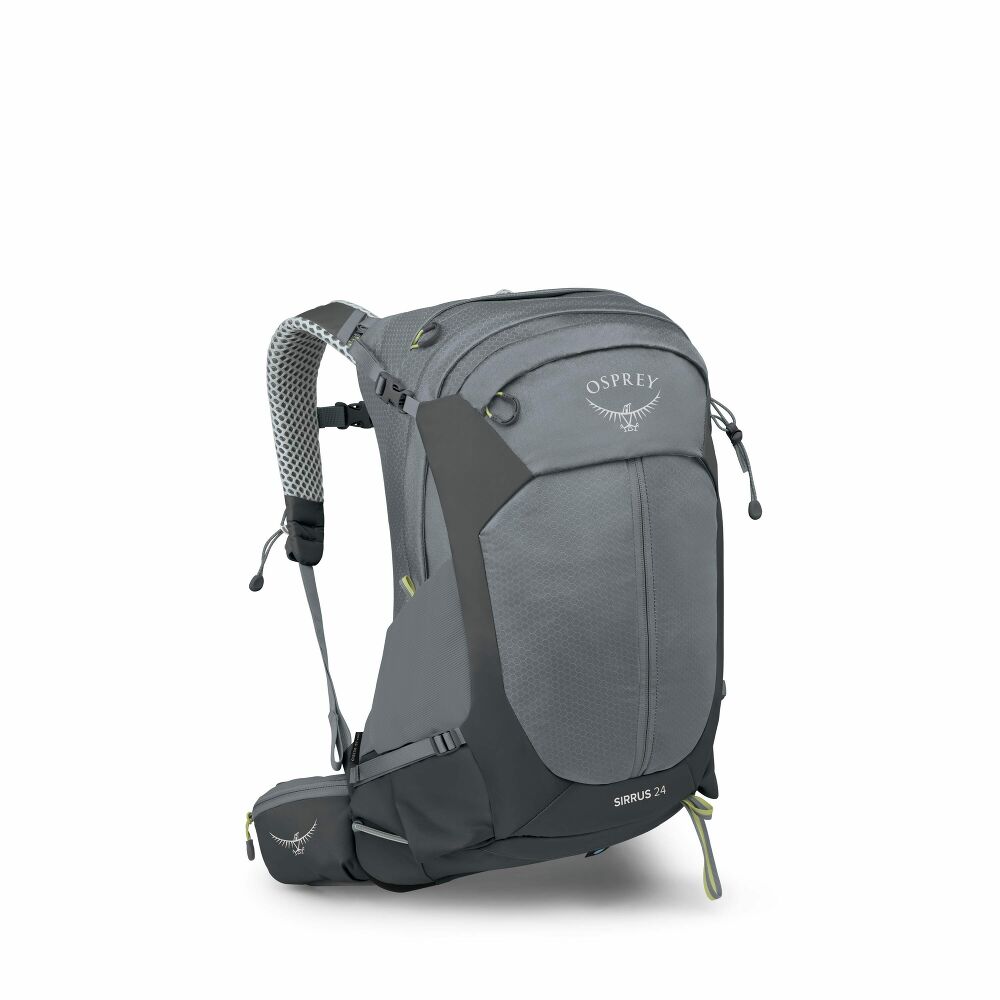
The Osprey Sirrus 24 is designed for women who want more ventilation and structure than a minimalist backpack provides.
Its AirSpeed suspension holds the backpack away from the body using tensioned mesh.
This creates more airflow than a traditional padded back panel.
The Sirrus 24 also offers an adjustable women’s fit, panel-loading access, front storage, side pockets and hip-belt pockets.
An included rain cover makes it especially useful for unpredictable outdoor conditions.
Best for: Warm-weather hikes, sightseeing on foot and women who prioritize ventilation and support.
Key advantages:
- Highly ventilated AirSpeed suspension
- Women’s-specific adjustable fit
- Included rain cover
- Supportive hip belt
- Convenient panel-loading access
- Multiple quick-access pockets
Potential drawbacks:
- Curved suspension reduces usable interior depth
- Bulkier than a soft-sided travel bag
- More difficult to fit beneath smaller airline seats
- Excessive for carrying only a laptop and a few essentials
The Sirrus is a strong choice when comfort on the trail matters more than maximizing every inch of interior space.
Its suspended back panel improves airflow but makes rectangular packing cubes slightly less efficient.
🌤️ Hiking in warm weather? → Compare current offers on the Osprey Sirrus 24
Want a ventilated backpack primarily for commuting, work and occasional travel rather than technical hiking? Our Osprey Nebula vs. Tropos comparison explains which everyday pack offers the better balance of airflow, structure and travel organization.
4. Osprey Tempest Velocity 20: Best for Ultralight, Fast-Paced Adventures
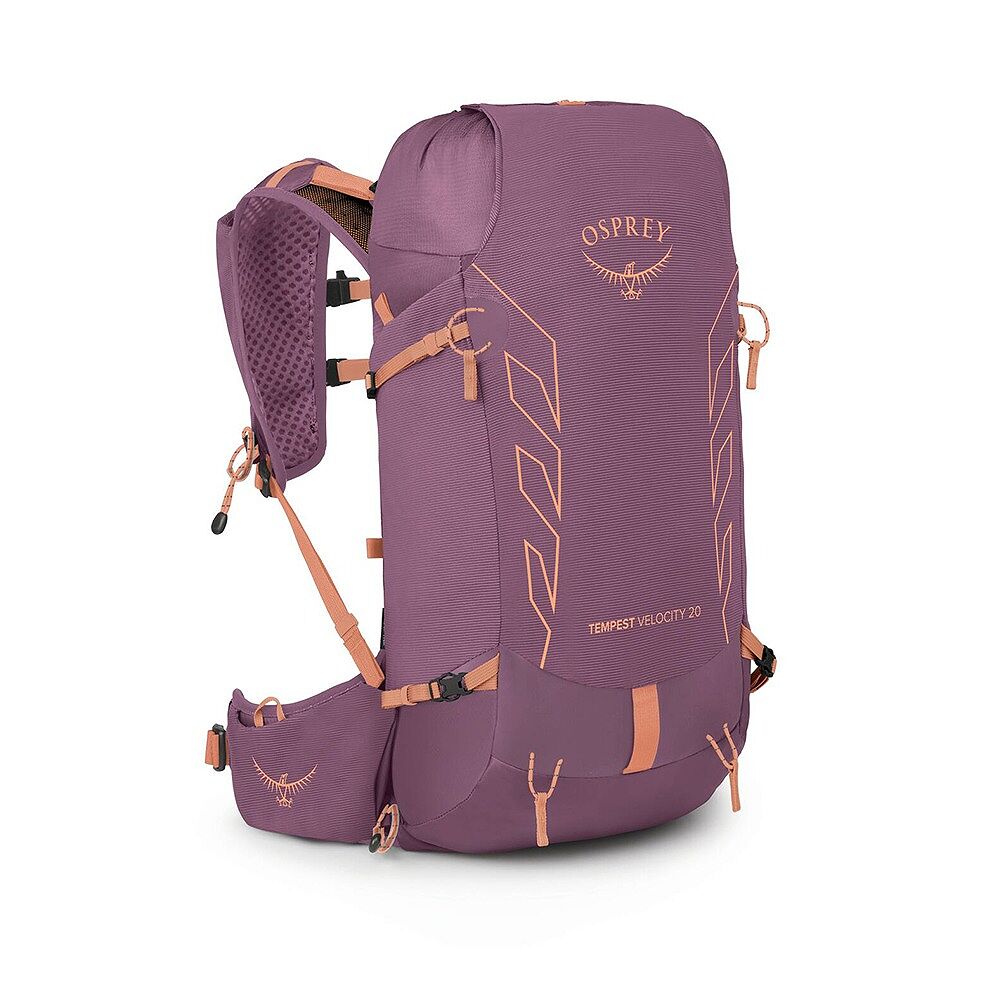
The Osprey Tempest Velocity 20 is designed for women who move quickly and want important gear within easy reach.
It combines a women’s-specific fit with a running-vest-inspired harness.
This design allows you to access smaller items without repeatedly removing the backpack.
At 20 liters, it requires disciplined packing.
That limited capacity can be an advantage for hikers who want to eliminate unnecessary gear.
However, it leaves little room for bulky clothing or nonessential travel items.
Best for: Fast hiking, trail-focused day trips and travelers committed to carrying a minimal load.
Key advantages:
- Women’s-specific fit
- Stable design for quick movement
- Easy-access harness storage
- Compact capacity discourages overpacking
- Useful for hiking, running, and multi-sport trips
Potential drawbacks:
- Too small for most multi-day packing lists
- Sport-focused layout is less useful for laptops
- Not designed around packing cubes
- Specialized harness may feel excessive for daily use
This is not the best one-bag flight option.
It is a high-performance choice for women who value speed, movement, and low weight over maximum storage.
5. Osprey Transporter Expandable Travel Pack 26+6: Best for Rugged Travel Durability
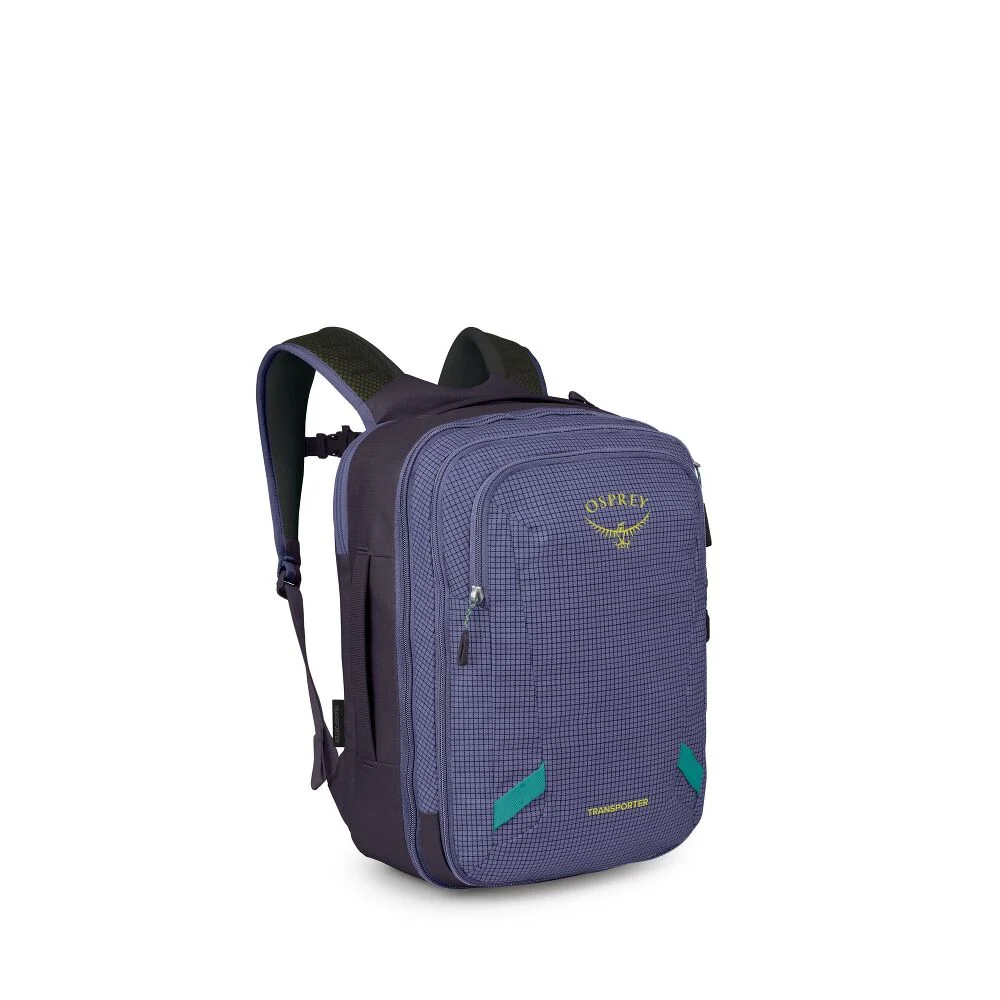
The Osprey Transporter 26+6 follows a similar expandable format to the Daylite 26+6.
However, it places more emphasis on durability and resistance to poor weather.
It begins at 26 liters and expands to 32 liters.
The pack also includes travel-oriented organization and a sleeve designed for larger laptops.
Its more rugged materials make it appealing to frequent travelers who are hard on their luggage.
Best for: Frequent flyers, business travel, urban trips, and travelers carrying valuable technology.
Key advantages:
- Expandable 26-to-32-liter capacity
- Durable, water-resistant construction
- Larger laptop storage
- Travel-oriented rectangular shape
- Good balance between compact size and usable capacity
Potential drawbacks:
- Not a women’s-specific harness
- More expensive than some lightweight travel packs
- Less ventilated than the Sirrus
- Not as trail-focused as the Tempest models
Choose the Transporter over the Daylite when rugged materials and long-term durability matter more than saving a little weight or money.
✈️ Travel frequently or carry expensive tech? → Check the current Osprey Transporter 26+6 price
Quick Osprey Comparison
| Backpack | Capacity | Best Use | Fit Style | Main Strength |
|---|---|---|---|---|
| Daylite 26+6 | 26–32L | Flights and short trips | Unisex | Expandable travel organization |
| Tempest 22 | 22L | Hiking and active travel | Women’s-specific | Fit and movement |
| Sirrus 24 | 24L | Warm-weather hiking | Women’s-specific | Ventilation and support |
| Tempest Velocity 20 | 20L | Fast, ultralight outings | Women’s-specific | Stability and accessibility |
| Transporter 26+6 | 26–32L | Frequent and business travel | Unisex | Durable, water-resistant build |
Osprey vs. Competitors for Ultralight and Multi-Day Use
Osprey is not always the lightest brand in each backpack category.
Some ultralight brands remove frames, padding, pockets and heavier fabrics to achieve a lower empty weight.
This approach can work well for experienced hikers carrying carefully selected ultralight equipment.
It may not work as well for a traveler carrying a laptop, camera gear, large water bottle and several days of clothing.
Where Osprey Performs Well
Osprey’s biggest advantages are fit adjustment, suspension choices and women’s-specific technical designs.
Compared with many fashion-oriented travel backpacks, the Tempest and Sirrus generally provide better load transfer.
They also offer stronger hip belts, better ventilation and more trail-oriented storage.
The Daylite and Transporter models give travelers clamshell-style convenience without moving into oversized 40-liter carry-on territory.
How to Choose the Right Osprey Pack for Your Adventure Style
For Flying and Weekend Travel
Choose the Daylite 26+6 when you want an affordable, lightweight travel backpack with expandable storage.
Choose the Transporter 26+6 when you fly frequently, carry a larger laptop, or want more rugged materials.
Always check your airline’s current personal-item dimensions before departure.
A soft backpack may fit into an airline sizer, but overpacking can make it exceed the permitted depth.
For Hiking
Choose the Tempest 22 for the best combination of women’s-specific fit, mobility and trail features.
Choose the Sirrus 24 when ventilation, rain protection and supportive structure matter more than minimizing weight.
Choose the Tempest Velocity 20 for fast hikes and highly minimalist loads.
For College and Commuting
The Daylite 26+6 provides the most versatile shape for books, technology, gym clothing and occasional trips.
Students carrying heavy textbooks should consider whether its simpler hip support will be enough.
The Tempest 22 can work for commuting, but its technical shape may be less convenient for folders, notebooks and rectangular electronics.
Need more everyday organization than the Daylite provides? The Osprey Comet 30 is a better alternative for women who regularly carry a laptop, books, work supplies and daily essentials.
For two additional everyday options, compare the Osprey Quasar vs. Nebula to see whether a compact 26-liter bag or roomier 32-liter pack better matches your routine.
For Daily Use
Do not automatically choose the largest backpack.
A 20-to-24-liter pack is usually easier to carry in stores, restaurants, and public transportation.
A 26+6 travel bag is more versatile for trips, but the expandable design may tempt you to carry more than you need every day.
Pro Tips for Packing Light with an Osprey Backpack
Build Your Packing List Before Choosing Capacity
Place everything you plan to carry on a bed or table.
Remove duplicate clothing, full-size toiletries, and unnecessary “just in case” items before estimating the capacity you need.
Buying a large backpack first often leads to filling all the available space.
Keep Dense Items Close to Your Back
Place laptops, electronics, water, and other heavy items near the back panel.
This keeps the center of gravity closer to your body and reduces the feeling that the backpack is pulling backward.
Avoid placing the heaviest items in the outermost pocket.
Use Small Packing Cubes
One large packing cube can become a solid block that is difficult to fit around curved areas.
Two or three smaller cubes are easier to arrange and compress.
Remember that packing cubes improve organization, but they do not reduce the actual weight of your clothing.
Wear Your Bulkiest Items
Wear your jacket, heavier shoes, and thickest clothing layer while traveling.
This saves backpack space without requiring you to leave useful clothing at home.
Adjust the Backpack in the Correct Order
Start by loosening all straps before putting the backpack on.
Position the hip belt over your hip bones and tighten it first.
Next, tighten the shoulder straps and adjust the load lifters when included.
Fasten the sternum strap last without pulling it excessively tight.
The hip belt should carry a meaningful portion of the load.
Overtightening the shoulder straps is not a substitute for proper torso adjustment.
Avoid Stressing the Zippers
Do not sit on the backpack or force the zipper closed while the contents push outward.
Remove an item or rearrange the load instead.
Compression straps should stabilize the contents.
They should not compensate for carrying several liters more than the backpack was designed to hold.
Final Verdict: Which Osprey Backpack Should You Buy?
For most women taking short trips, the Osprey Daylite Expandable Travel Pack 26+6 is the best all-around choice.
Its compact shape, clamshell access and expandable capacity make it easy to use in airports, hotels and urban destinations.
The Osprey Tempest 22 is the better option for women who prioritize hiking.
Its women’s-specific fit, adjustable harness and supportive hip belt make it more comfortable on steep trails and with heavier loads.
Choose the Sirrus 24 when airflow and structured support are your biggest concerns.
Choose the Tempest Velocity 20 for fast, minimalist adventures.
Choose the Transporter 26+6 when you want a more rugged travel backpack for frequent flights and expensive technology.
Best Osprey Small Backpacks at a Glance
- Best overall travel pick: Osprey Daylite 26+6
- Best hiking and travel crossover: Osprey Tempest 22
- Best ventilation: Osprey Sirrus 24
- Best fast-and-light option: Osprey Tempest Velocity 20
- Best rugged travel option: Osprey Transporter 26+6
Before ordering, measure your torso, estimate your realistic packed weight, and review the seller’s return policy.
The backpack that fits comfortably when loaded is a better investment than the one with the longest feature list.
🎒 Ready to find your pack? → Compare current prices on the best-selling Osprey backpacks
Frequently Asked Questions
What is the best small Osprey backpack for women?
For most women, the Osprey Daylite 26+6 is the best all-around choice for flights and short trips, thanks to its expandable capacity and suitcase-style packing. Women who prioritize hiking comfort should consider the Tempest 22 or Sirrus 24 instead.
Are Osprey backpacks good for women specifically?
Yes, several Osprey models use a women’s-specific harness with a shorter torso range and narrower shoulder width, which helps distribute weight more comfortably than a unisex design.
What size backpack is best for air travel?
A 20 to 26-liter pack typically fits most airline personal-item requirements, though sizing rules vary by carrier. Always check your specific airline’s current dimensions before flying.
Is a 22-liter backpack big enough for a week of travel?
It depends on your packing style. A 22-liter pack works well for minimalist packers or shorter trips; if you need more room, the expandable Daylite 26+6 offers 26 to 32 liters.
Related Osprey Backpack Guides
Still deciding which backpack fits your travel style? These guides can help:
- Osprey Daylite 26+6 Review – Best for personal-item travel and short trips
- Osprey Fairview 40 Review – Best for women who need a full carry-on travel pack
- Osprey Comet 30 Review – Best for college, work and everyday versatility
- Osprey Quasar vs. Nebula – Compare compact and roomier everyday backpacks
- Osprey Nebula vs. Tropos – Compare travel organization, ventilation and commuting comfort
- Complete Osprey Packs Review – Explore the wider Osprey backpack lineup
Affiliate disclosure: This article may contain affiliate links. If you purchase through one of these links, we may earn a commission at no additional cost to you.


Leave a Reply