
Table of Contents
Two Bags That Look the Same — But Aren’t
✈️ Fly a lot? → Get the Osprey Nebula – lighter, TSA-friendly laptop access, better value
🚴 Commuter/hiker? → Get the Osprey Tropos – self-standing kickstand, superior airflow, tougher build
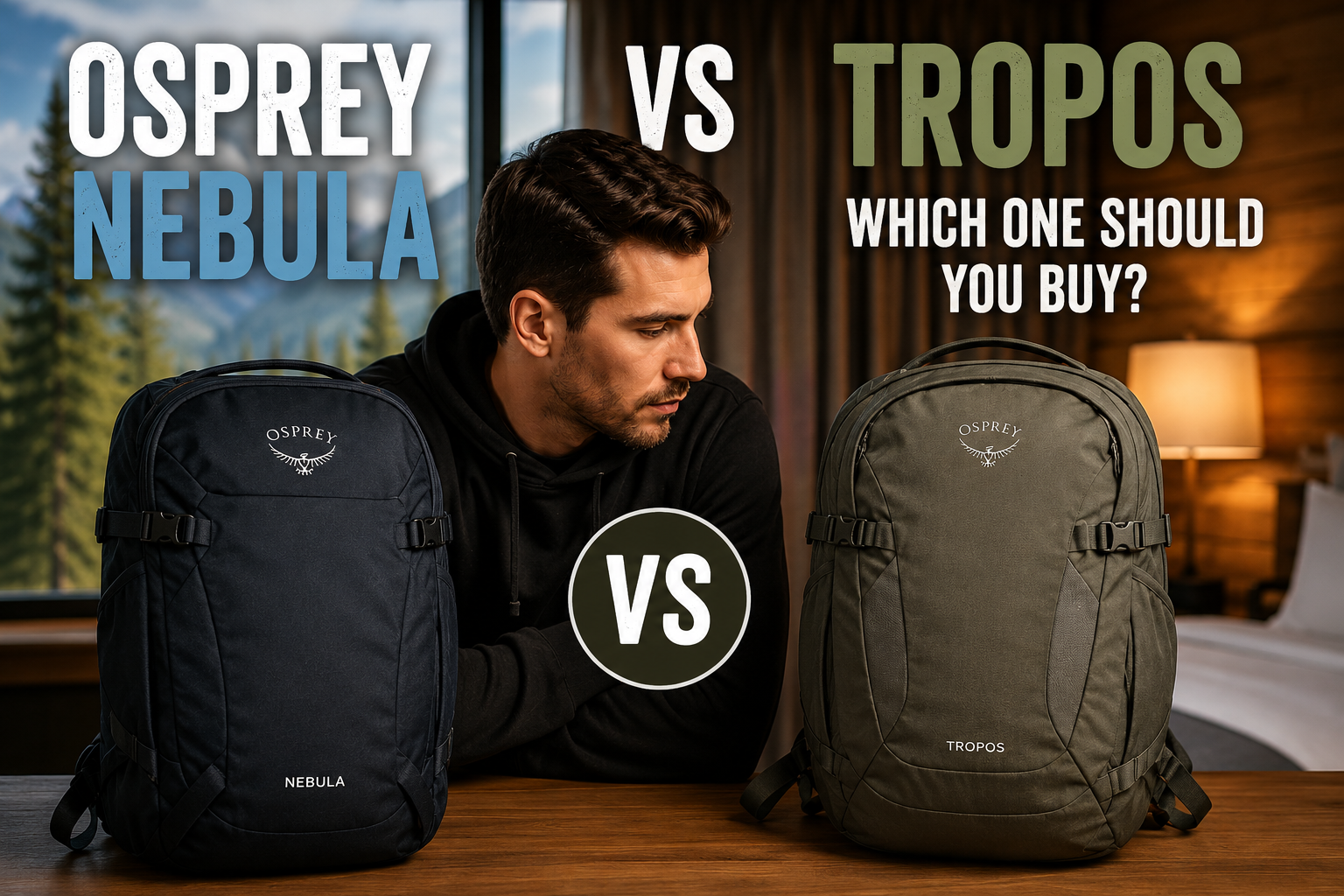
If you’ve been comparing the Osprey Nebula and Tropos, you’ve probably noticed they look almost identical at first glance. Same brand, same capacity, similar price range; both bags sit in the $130–$190 range, similar vibe.
But they are not the same bag — and buying the wrong one is a mistake people make all the time.
This comparison breaks down exactly how they differ, what real users are saying about both, and — most importantly — which one is right for your travel and daily carry style.
Let’s get into it.
Quick Overview: Who Are These Bags For?
Before diving into the specs, here’s the simplest way to think about these two bags:
The Osprey Tropos is built for people who want a bag that does it all — commuting, short hikes, bike rides, and occasional travel. It leans toward the outdoorsy commuter.
The Osprey Nebula is built for people who prioritize travel compatibility and everyday carry. It’s lighter, more flexible, and has a TSA-friendly laptop compartment that the Tropos doesn’t have.
Same price range. Very different focus.
Specs Comparison at a Glance
| Feature | Osprey Tropos | Osprey Nebula |
|---|---|---|
| Capacity | 32L | 32L |
| Weight | ~2.6 lbs | ~2.1 lbs |
| Material | Recycled 600D polyester | 210D ripstop nylon |
| Back Panel | Suspended AirSpeed mesh | Soft breathable panel |
| Kickstand Frame | ✅ Yes | ❌ No |
| TSA Laptop Access | ❌ No | ✅ Yes (clamshell) |
| Laptop Size | Up to 15″ | Up to 16″ |
| Hip Belt | Removable | Removable |
| Helmet Attachment | ✅ Yes | ❌ No |
| Water Bottle Pockets | Dual side mesh | Dual side mesh |
| Price (MSRP) | ~$150–$190 | ~$130–$160 |
| Buy | Check Tropos Price -> | Check Nebula Price -> |
Where to Buy
Both bags are available through the links below.
Use these links to check current pricing, availability, and purchase — prices fluctuate.
Key Differences Explained
1. The Kickstand — The Tropos’s Signature Feature
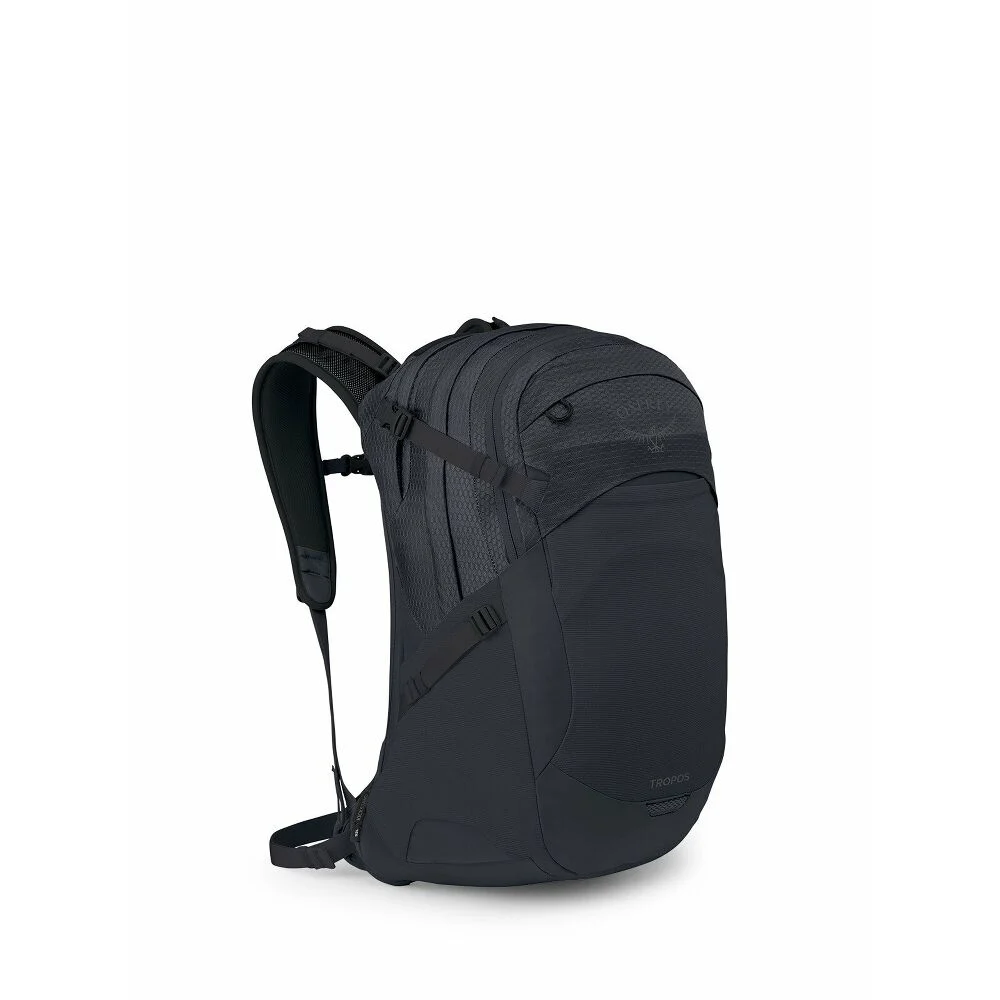
The Tropos’s most distinctive feature is what Osprey calls the “kickstand” — an interior rigid frame that runs around the front and back of the bag.
What this means in practice is that the Tropos stands upright on its own, whether it’s full or nearly empty.
This sounds small, but it makes a huge difference at airports, coffee shops, and anywhere you’re constantly picking up and putting down the bag.
You set it down, and it stays where you put it — no flopping over, no scrambling to right it.
The Nebula doesn’t have this. It has padding on its back panel for comfort, but the bag will slump if it’s not fully packed.
Verdict: If you hate floppy bags, the Tropos wins here decisively.
2. TSA-Friendly Laptop Compartment — The Nebula’s Edge for Travelers
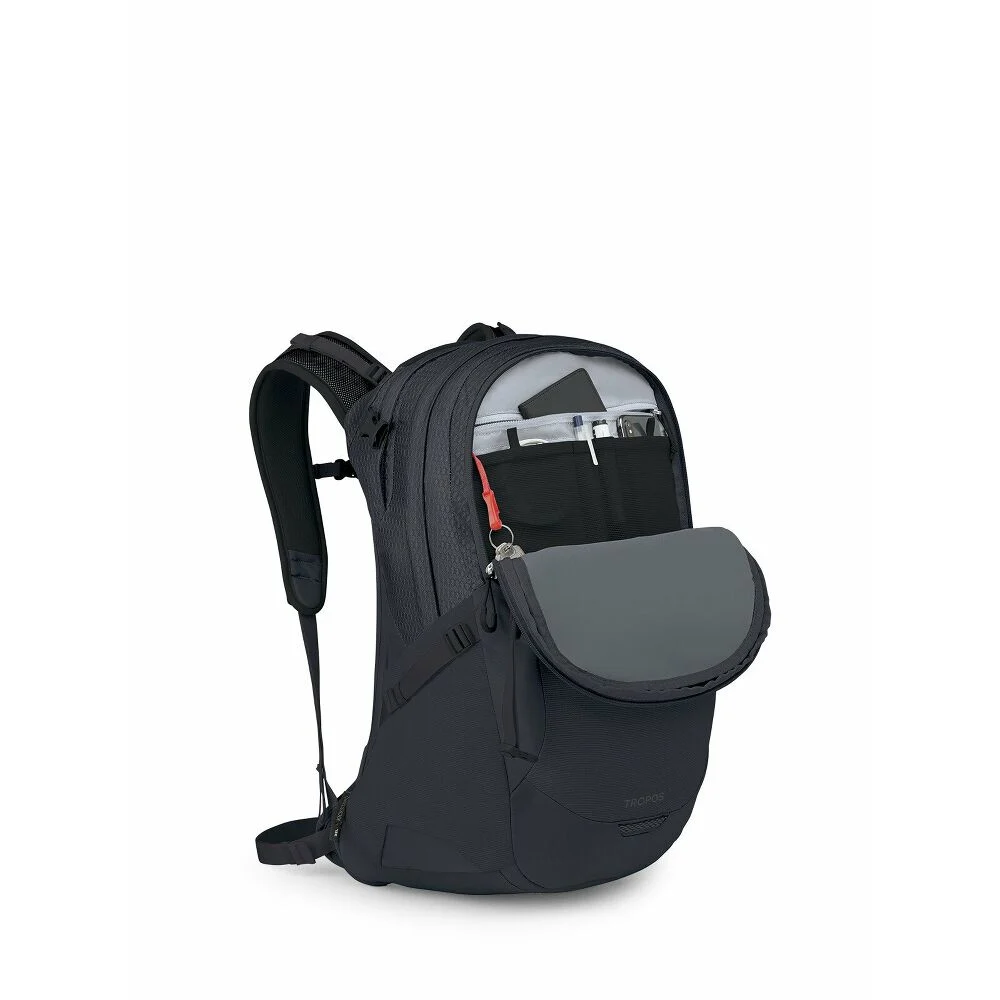
This is where the Nebula pulls ahead for anyone who flies regularly.
The Nebula features a full-zip clamshell laptop compartment that opens completely flat. This means you can lay the bag down at security and the laptop sleeve opens like a book — no need to remove your laptop at TSA checkpoints in many US airports.
The Tropos does not have this. Its laptop compartment is accessible, but doesn’t open in a way that’s TSA-compliant without removing the laptop.
For frequent flyers, this alone can be the deciding factor.
Verdict: Nebula wins for travel. If you’re in and out of airports regularly, this matters a lot.
3. Back Panel & Airflow
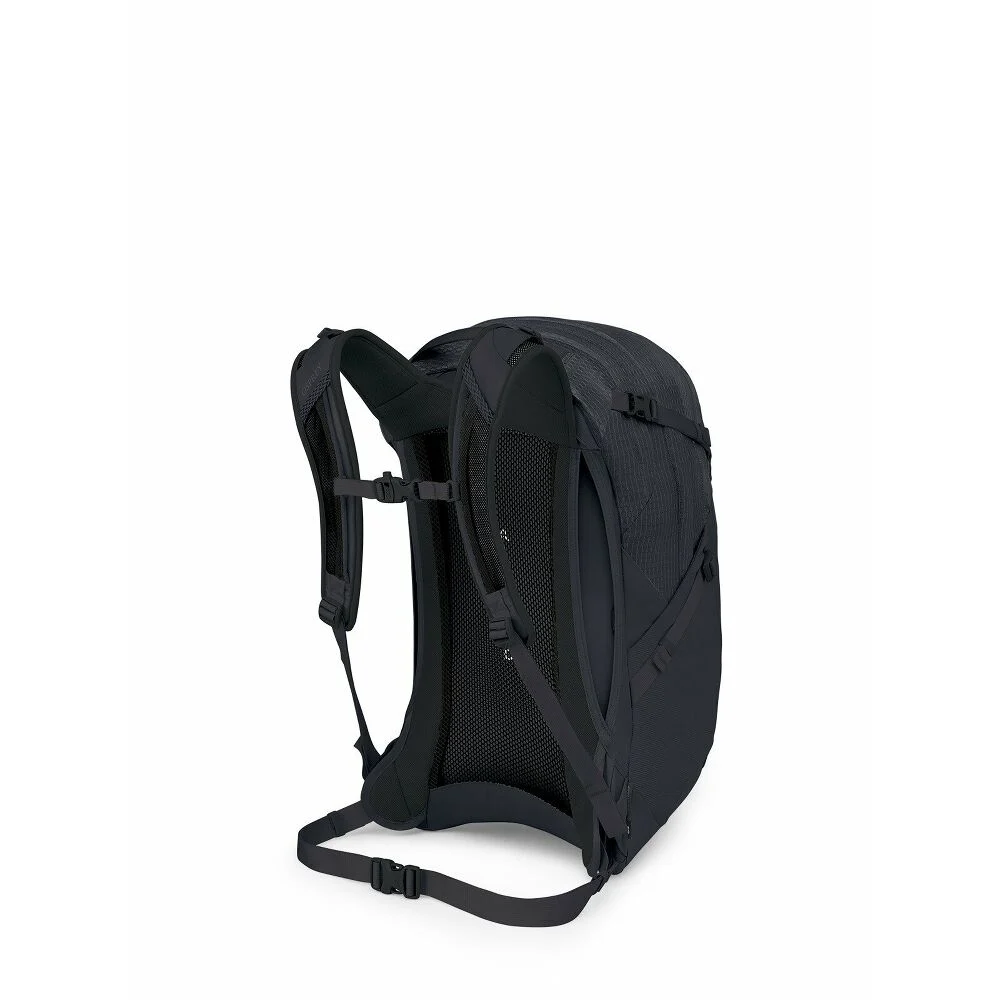
The Tropos has an AirSpeed suspended mesh back panel — the same technology Osprey uses in its hiking packs.
The mesh sits slightly off your back, creating an airflow channel that keeps your back cooler, especially in warm weather or when you’re moving fast.
The Nebula has a soft, breathable back panel that sits closer to your body. It’s comfortable, but it doesn’t have the same airflow.
In hot weather or after a long day of walking, you’ll notice the difference.
Verdict: Tropos wins for comfort in warm climates or active use. For air-conditioned office environments, the Nebula is fine.
4. Material & Durability
The Tropos is built from recycled 600D polyester — a thicker, more abrasion-resistant fabric that handles rough treatment well.
If you’re a student who tosses their bag around, a bike commuter, or someone who generally isn’t gentle with gear, the Tropos fabric will hold up better over time.
The Nebula uses 210D ripstop nylon — lighter and excellent at preventing tears from spreading, but thinner in terms of abrasion resistance.
It’s not a fragile bag by any means — Osprey reinforces stress points throughout — but it doesn’t have the same street-tough durability as the Tropos.
That said, the Nebula’s ripstop fabric has better weather resistance than the Tropos, offering slightly more protection in light rain.
Verdict: Tropos for rough handling and durability. Nebula for lighter weight and slightly better weather resistance.
5. Price
The Nebula typically runs $30–$50 cheaper than the Tropos at full retail.
For two bags that look nearly identical, that’s a meaningful difference — especially given that the Nebula also adds the TSA-friendly laptop compartment.
If budget is a factor, the Nebula gives you more for less.
Best Use Cases — Side by Side
| Use Case | Winner |
|---|---|
| Frequent flyer / carry-on travel | Nebula |
| Hot weather / tropical destinations | Tropos |
| Daily commute + occasional hike | Tropos |
| Bike commuting | Tropos |
| Budget-conscious buyer | Nebula |
| Tech-heavy carry (lots of cables, devices) | Nebula |
| Rough daily use / students | Tropos |
| Light, minimalist carry | Nebula |
So Which One Should You Choose?

Choose the Osprey Tropos if:
- You want a bag that stands upright on its own
- You commute in warm weather and need back ventilation
- You occasionally hike or bike with your pack
- You value durability over weight savings
- You’re not a frequent flyer
Choose the Osprey Nebula if:
- You fly regularly and want TSA-friendly laptop access
- You want a lighter bag for everyday city carry
- Budget matters, and you want the most value for money
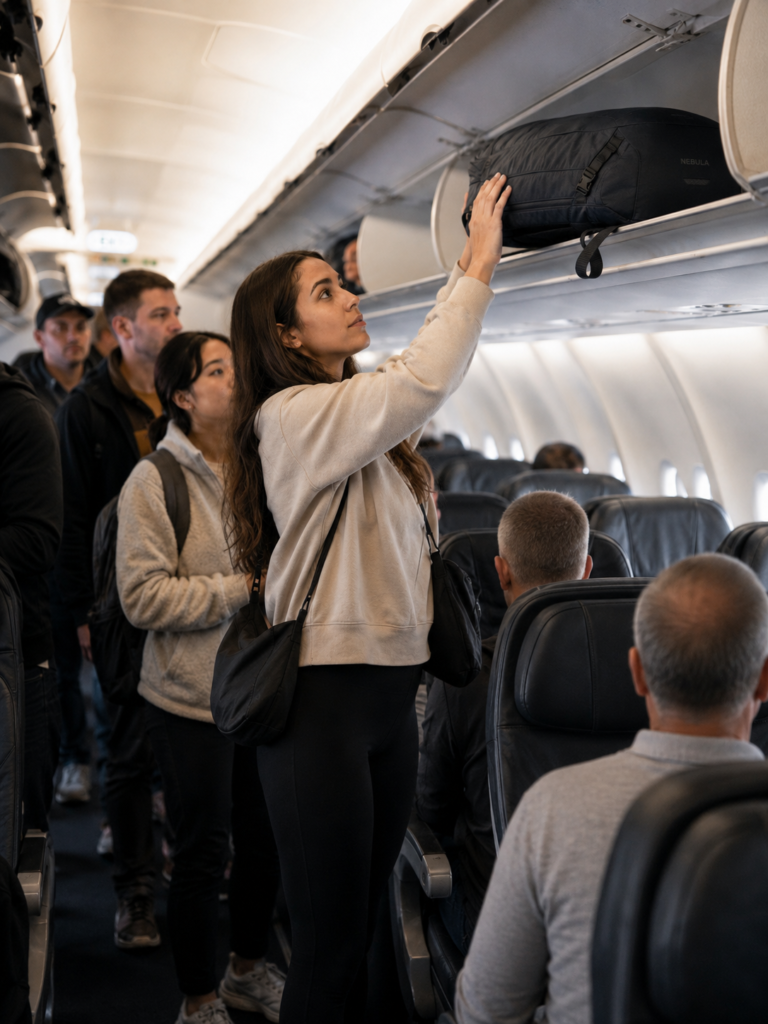
- You travel carry-on only and need something that fits in tight overhead bins
- You prioritize travel flexibility over outdoor performance
Looking for a women’s-specific travel backpack? See our Osprey Fairview 40 review
The Bottom Line
Both bags are genuinely good. Osprey’s build quality and lifetime warranty apply to both, so either way, you’re buying a bag that should last for years.
The deciding factor really comes down to one question: Do you fly a lot, or do you mostly commute and move around outdoors?
If travel is a regular part of your life — especially if you’re doing carry-on only — the Nebula’s TSA-friendly laptop compartment and lighter weight make it the smarter choice for you.
If you’re a daily commuter who also hikes or bikes, and you love the idea of a bag that stands on its own and keeps your back cool, the Tropos is worth every extra dollar.
Either way, you’re getting one of the best daypacks in this price range. The only bad choice is the one that doesn’t match how you actually live and travel.
Want to see how the Nebula and Tropos fit into Osprey’s full lineup? Check out our Complete Guide to Osprey Packs, Products and Services.
Where to Buy
Both bags are available through the links below.
Use these links to check current pricing, availability, and purchase — prices fluctuate.
Frequently Asked Questions
Is the Osprey Nebula or Tropos better for travel? The Nebula — its TSA-friendly clamshell laptop compartment and lighter weight make it better suited for air travel and carry-on use.
Which is cheaper — the Nebula or the Tropos? The Nebula is typically $30–$50 cheaper than the Tropos at full retail price.
Does the Osprey Tropos fit in an overhead bin? Yes, the Tropos can work as a personal item or fit under a seat, but it’s not specifically optimized for carry-on travel the way the Nebula is.
Do either of these bags work for hiking? The Tropos is better suited for hiking with its suspended mesh back panel and hip belt. The Nebula can handle light trail use but is primarily designed for urban and travel use.
What is the Osprey kickstand feature? The Tropos’s kickstand is an internal rigid frame that keeps the bag standing upright on its own, even when not fully packed. The Nebula does not have this feature.
Disclosure: This post contains affiliate links. If you purchase through our links, we may earn a small commission at no extra cost to you.


Leave a Reply